
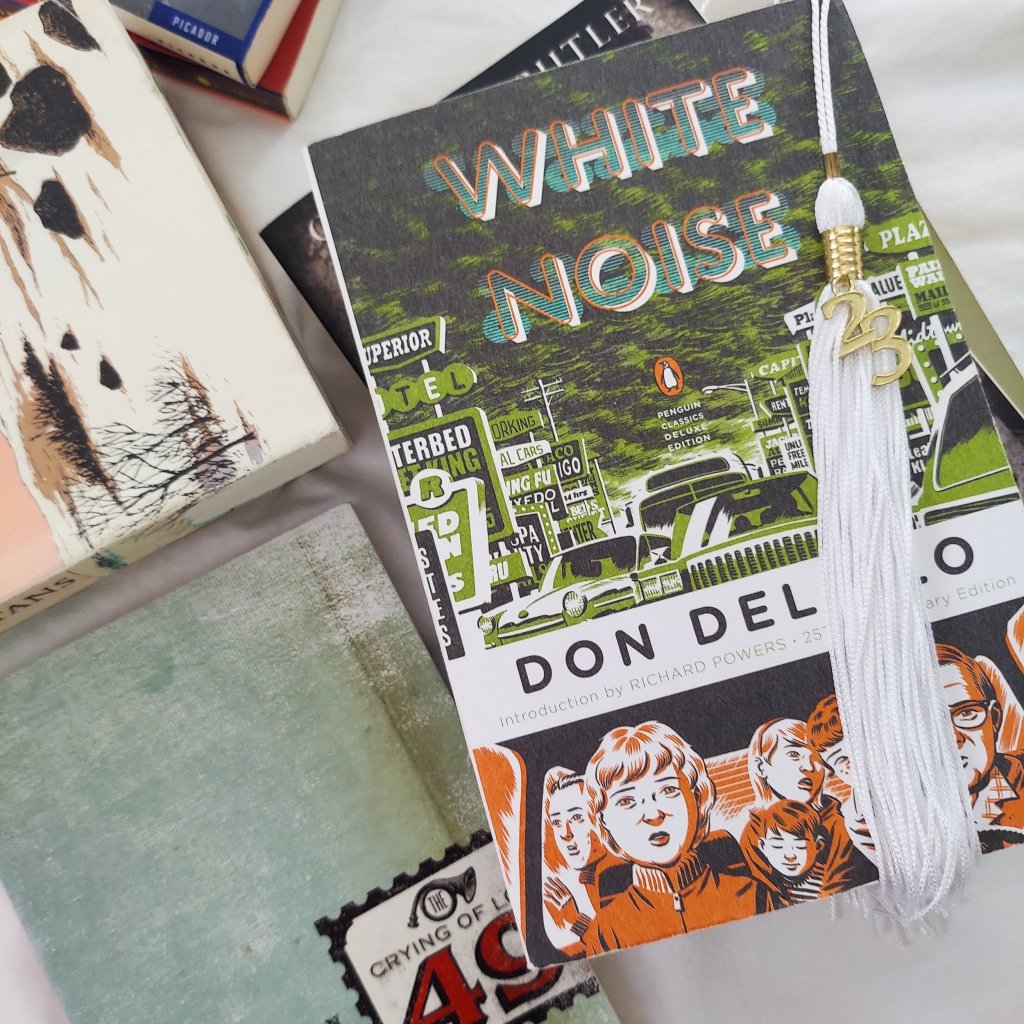
This week, I walked across the stage to receive my degree! After three and a half years, I graduated summa cum laude with a bachelor’s in English. I learned so much over the years, which I want to pass on to all of the future English graduates out there. In no particular order, here are the lessons I learned during my college experience.


#block-yui_3_17_2_1_1685033928740_14195 .sqs-gallery-block-grid .sqs-gallery-design-grid { margin-right: -20px; }
#block-yui_3_17_2_1_1685033928740_14195 .sqs-gallery-block-grid .sqs-gallery-design-grid-slide .margin-wrapper { margin-right: 20px; margin-bottom: 20px; }
Advice for pursuing a degree in English (from a recent grad)
Read (duh)
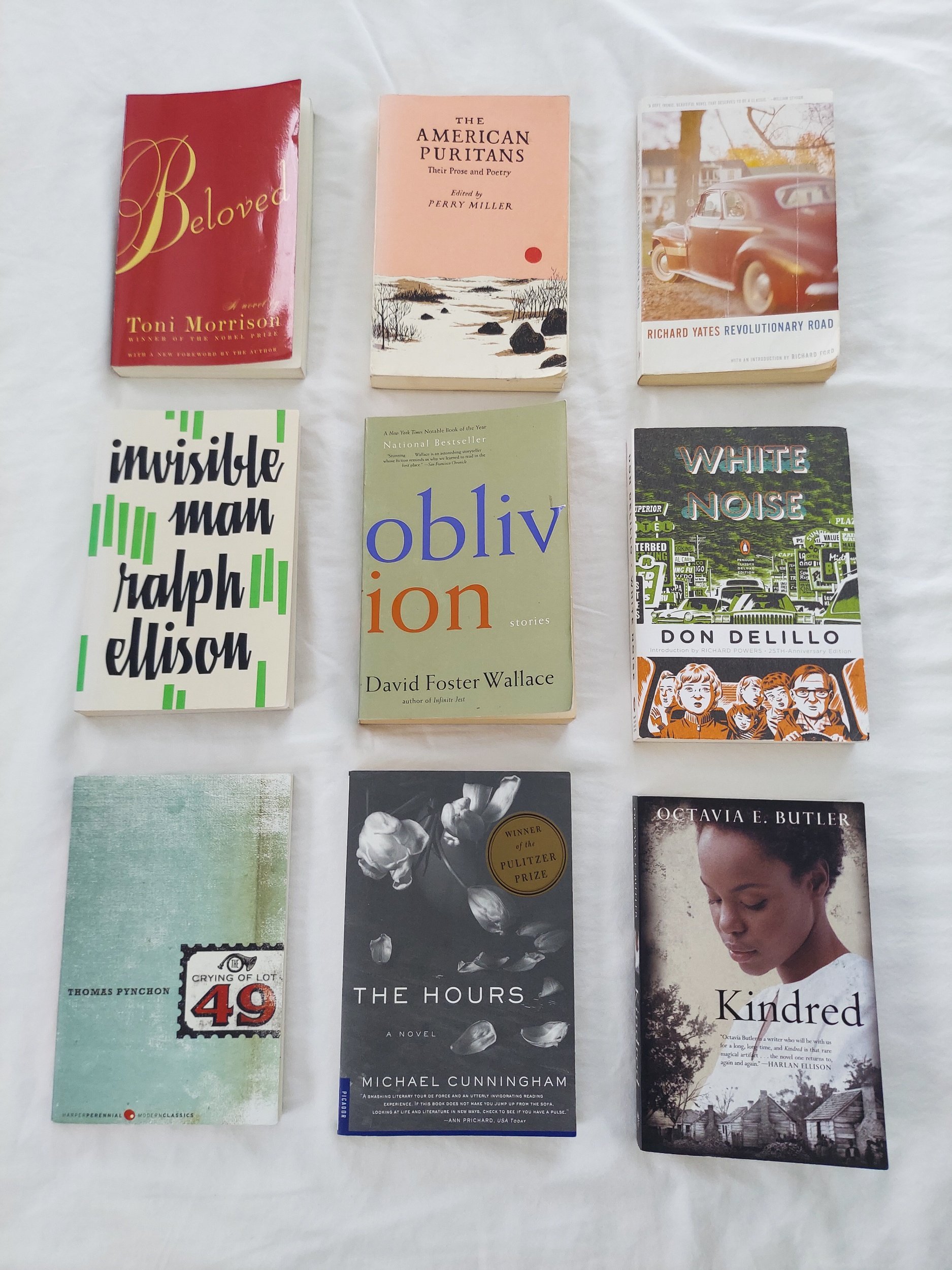
The key to achieving your English degree is, you guessed it, reading. And you are going to read. A lot. I did a rough calculation, and for my degree, I read about 52 novels. And that is just for my English classes! That is not even including the short stories, poems, research articles, reading for other classes, and the books I am forgetting.
Since you will be expected to read and analyze what you have read, it is vital to actively engage with the material. While you will learn key strategies and ways to read actively, I highly recommend How to Read Literature Like a Professor by Thomas Foster for all incoming English majors.
Most of the time, you will be reading multiple books at the same time, so it is important to have a reading schedule and to break down how many pages you need to read a day.
Procrastination will destroy you
English differs from other degrees because you cannot cram the night before. While cramming an entire semester of knowledge in one night for an exam might work for your STEM friends, it is impossible to write a good ten-page paper in one night.
As an English student, midterms and final exams consist of research essays, which require weeks and even months of planning, outlining, and writing. Work on stuff EARLY and CONSISTENTLY. I saw time and time again the absolute destruction from students who decided to start a seven-page paper the week it was due and just crash and burn.
Work smarter, not harder
You are going to be reading a lot, so why not make it easy on yourself? My hottest take? As an English major, book spoilers are not a thing. In fact, they hinder your ability to read a book for themes, motifs, and symbols. Save the plot twists for the books you read for fun. Instead, try to read as much as you can about the book’s summary, major themes, the author, and time period before diving into the book. Youtube has millions of great summary and analysis videos for almost every book.
Another lifeline that will make reading anything written before the 1900s easier? Audiobooks! There are so many quality recordings of classic literature for free on Youtube. My tip is to listen to the recording at 1.25 speed while you read along. That way, you can notice all of the inflections and emotions of the work while still retaining the information and annotating.
Buying books
Good news: you probably will not have to fork over hundreds of dollars to buy brand-new textbooks like STEM students. The bad news: you are still going to have to buy a lot of books. Buying secondhand for English majors is the easiest way to keep costs down. I always needed a physical copy to read my books, so purchasing second-hand was a must. You can read about my absolute favorite place to buy used books here.
Get essay writing down to a science
Outline, outline, OUTLINE! Similar to the idea that you cannot cram the night before, you cannot write a multiple-page essay the night before and expect it to be good. Most of the time I spent working on an essay, I dedicated it to editing and revising. By the third year, I had created a simple essay outline that I used for almost every essay I wrote. Utilizing an outline structure when planning and writing your essays will save you time and headaches.
Professors are your friends
While you don’t have to be BFFs, it helps to at least have them know your name. Whenever you have time, go to office hours. Especially when there was a paper assigned, I loved to talk with my professors to ask for their input about my thesis before I started writing. They always gave great advice, offered new points to think about, or directed me in a new direction if my thesis was misguided. This saved me so much pain down the line. They are also the best people to talk to about books; I have gotten the best book recommendations during office hours.
Extracurriculars that reach outside your comfort zone
Never listen to anyone who says that a degree in English is useless, because the ability to write well is an invaluable skill. So while you are in college, practice that skill any way you can! There are so many ways you can practice your writing skills through your four years at college. Clubs are always looking for someone to write their newsletters and social media captions. Or you can join the school newspaper like me! Most campuses have English-centered clubs, like creative writing clubs. Anything you can do that is outside of schoolwork that helps you learn the craft of writing is a must for every English major.
Read for fun!
This one is less about surviving college and more about keeping the love of reading alive.
The number of English majors I would talk to that said they had not read a book for fun in years always surprised me. Don’t lose the spark that made you love reading under the layers of grades.
Make friends
This is easier said than done, but reach out in your classes and make connections with other students. When you have acquaintances in your classes, it makes it easier to keep each other in the loop for assignments, edit each other’s work, and talk about books.
Final thoughts
The goal of a degree in English is to learn how to write persuasively, elegantly, and clearly. You will learn how to do that if you go to class, read all of the required materials, and finish all of the assigned essays. But what will make you a satisfactory to a potentially great writer is practicing your craft anywhere you can. In class, in clubs, on your own time. An English degree provides a framework for becoming a great writer; it is up to you to decide what you want to do with your writing. The need for great writing is everywhere.
To all of the 2023 graduates out there: we did it! And to all of the future English majors, I wish you luck on your journey!
 The Library Mouse's Book Nook